

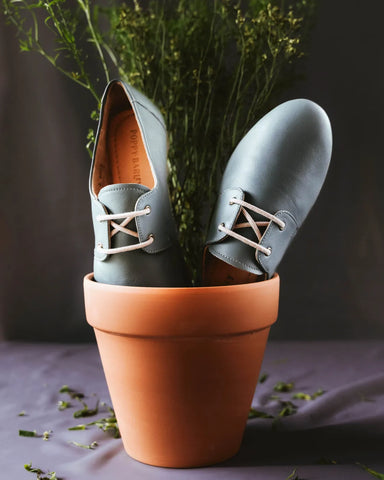
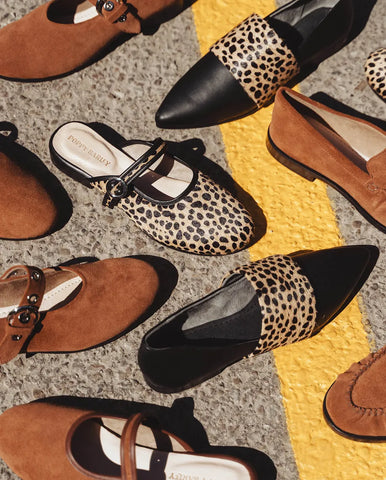

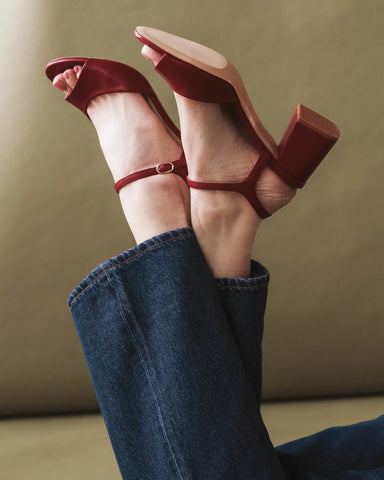
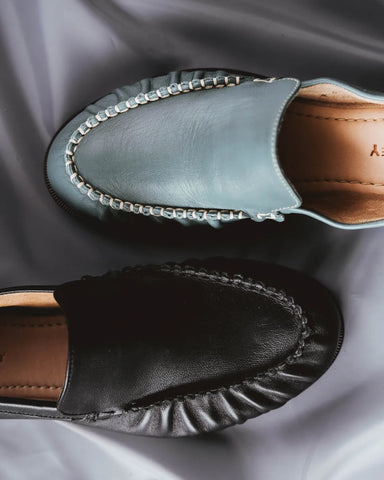

Movement is a big part of how artist Amy Dixon works and lives. Based in Edmonton, Amy’s work explores the feeling of home through bold, vibrant landscapes and expressive acrylic paintings inspired by nature and place. Her paintings explore change, rhythm, and atmosphere, guided by motion, intuition, and a trust in letting things evolve.
In the studio, she is rarely still. Amy steps back to observe, moves in to respond, and shifts between multiple canvases throughout the day. It is a physical practice, but also a mindset. One rooted in trust, patience, and paying attention to what feels right in the moment.
That approach is what drew us to Amy for The Art of Ease. Like EverEase™, her work balances freedom and structure. It reflects a shared belief that ease is not something you stumble into. It is something you design for through thoughtful choices, supportive tools, and a deep understanding of how we move through everyday life.
So we caught up with Amy to talk about movement, creativity, and how ease shows up in her everyday.
A Conversation on Movement and Ease
Movement is essential to how you work. What does a typical day in your studio look like?
A typical studio day is a steady rhythm of making and observing. I’m rarely standing still. I’ll work on a painting for a bit, then step back across the room to see what’s actually happening, then move in again to make a change. Sometimes I’m mixing colour more than I’m painting. Sometimes I’m just staring at it, waiting for the next move to feel clear.
I usually have a few paintings going at once, so I bounce between them depending on what’s working that day. If one piece starts to feel overworked, I’ll leave it and switch gears. That constant back and forth keeps the paintings loose, but it also keeps me loose. It helps me trust my instincts instead of trying to force an outcome.
Your landscapes feel fluid and expressive. How do you think about capturing the feeling of a place, and how does movement guide the work as it evolves?
I’m less interested in painting an exact scene and more interested in painting what it felt like to be there. Every place has its own mood and quality of light. Sometimes the sky is changing minute to minute, and sometimes everything feels completely still. That feeling is what I’m trying to hold onto more than any specific detail.
Movement is a big part of how I get there. I paint standing up, and I’m pretty physical with it, using my whole arm and letting the brushwork stay loose. I’m always stepping back to see what the painting is doing, then coming back in to adjust and respond. That back and forth is where it starts to feel alive.
As it evolves, I’m trying not to steer it too hard. I’m paying attention to what’s showing up, and making small decisions in response. It’s a balance, keeping it grounded, but still letting it have energy and movement.

This collaboration explores movement and ease across art and design. What resonated with you about that shared approach?
What resonated with me right away was the idea that ease can be intentional. Not something you stumble into, something you build in through good design. That’s how I think about painting too. I want my work to feel energetic and alive, but I also want it to feel calming to live with. Even when there’s a lot going on in the brushwork and colour, it still has to feel steady.
When you think about ease in your own life, whether you’re travelling, working in the studio, or moving through the day, what does that feeling actually look like to you?
Ease, for me, is when life feels a little less complicated. When I’m not rushing, and I’m not trying to do ten things at once. Especially when I’m travelling, I love having the time to walk a lot, notice the light, take photos, and let a landscape really sink in before I try to paint it.
I’m also a big believer in packing light. The fewer options I bring, the better, and the less room my clothes take up, the more paint I can fit in my suitcase.
In the studio, ease looks like trust.
Not forcing the painting to resolve too quickly, and letting it unfold in its own time. And there’s a practical side too. If what I’m wearing is uncomfortable, I’ll think about it all day. When I feel comfortable and supported, I can actually focus, whether I’m painting, travelling, or heading out the door for whatever’s next.
Do you have a favourite EverEase style, and what drew you to it?
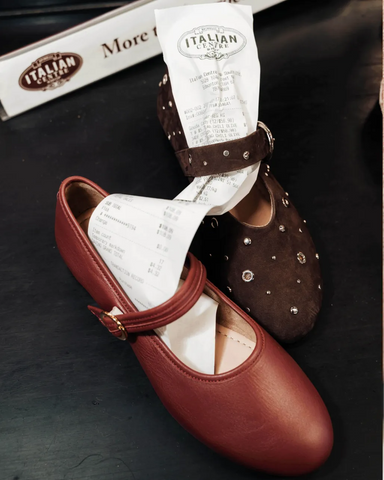
Yes, the Mary Janes are my favourite. I love how easy they are. They’re classic, but they don’t feel precious, and they work with pretty much everything I own.
Comfort matters a lot to me because I’m always on the move.
I’m on my feet in the studio, shifting canvases, stepping back to check a painting, pacing while I think. I don’t usually wear them while I’m actively painting (studio floors are chaos), but I almost always have a pair nearby. They’re what I slip on when I’m heading from the studio to a client meeting, the art store, an event, or dinner, still comfortable, but instantly more pulled together.
They just feel like the kind of shoe you can live in.

Art in Motion. Comfort in Design. Designed for How Life Moves.
Amy’s work reminds us that movement does not need to be rushed. When there is room to pause and respond, balance has a way of finding us, whether in the studio, on the road, or in the in-between moments of everyday life.
As a women-owned Canadian brand, we care deeply about how thoughtful design supports everyday movement, creating comfortable footwear for women that fits real life.
The Art of Ease grows out of that same idea. It is about movement that feels supported and design that works quietly in the background.
Explore our Art of Ease collaboration with Amy Dixon and see how the philosophy comes to life this spring.


